
COMWEB News Archive
Qualicum First Nation Camp Ground
(Located just north of Qualicum Beach next to the Big Qualicum River.)
Saturday the 25th will be the big day.
For futher info contact Jim Troyanck or Frank Palmer-Stone.
The organizers would like to know who plans to attend by 01 August.
 |
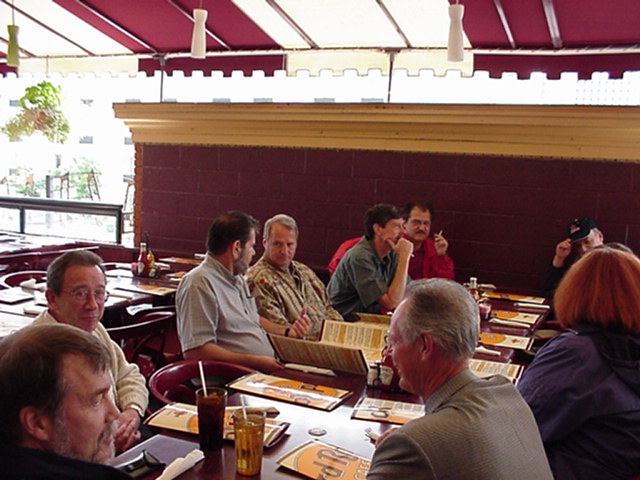
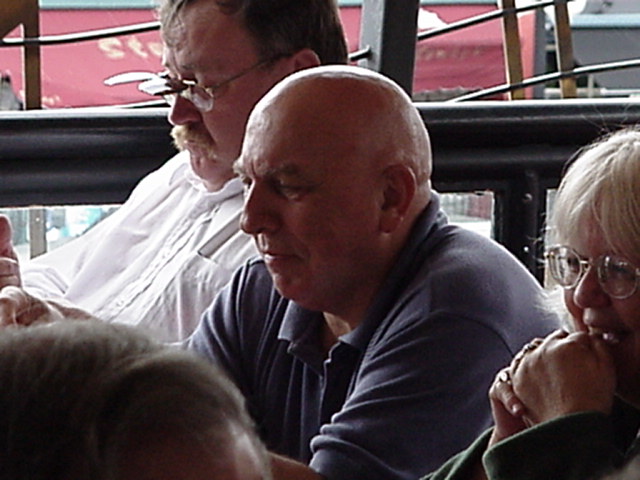
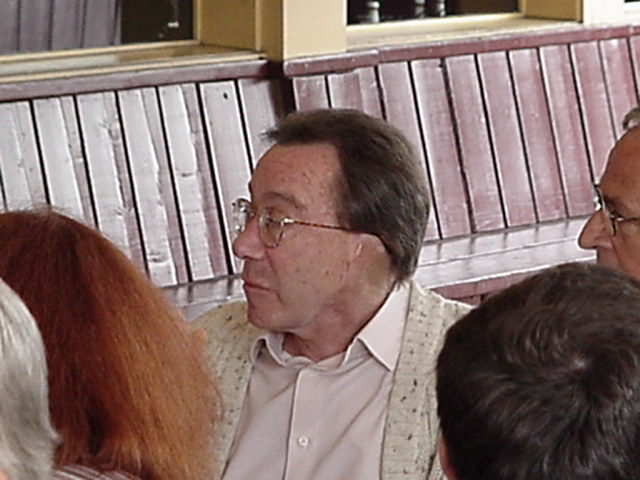
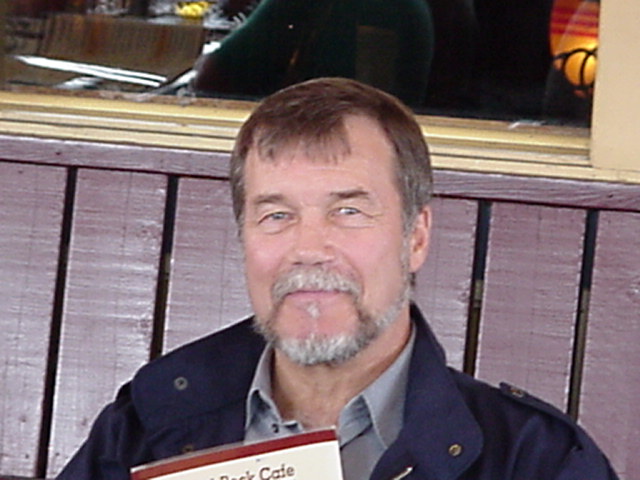
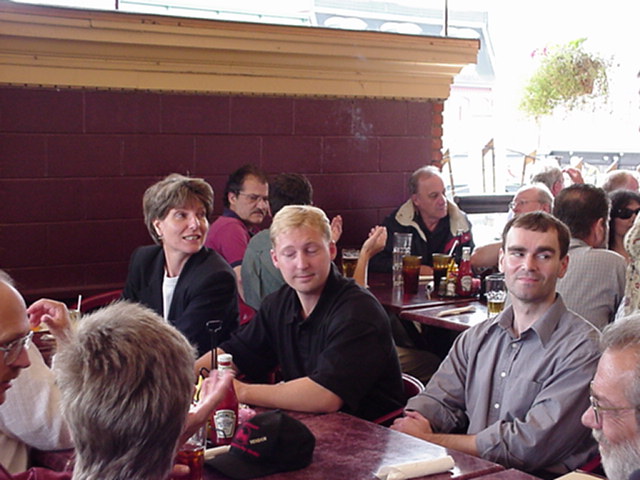
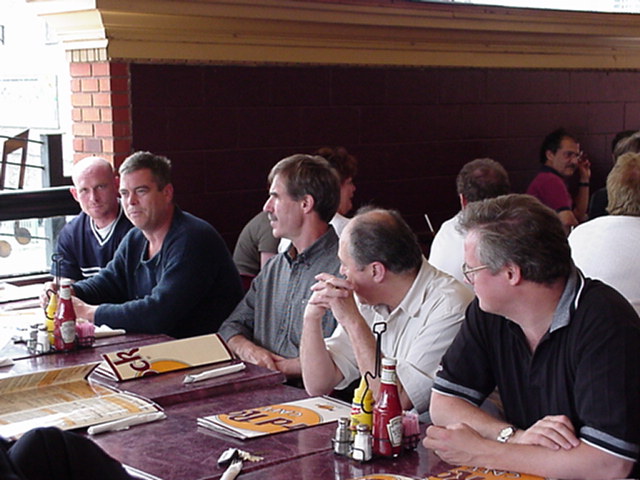
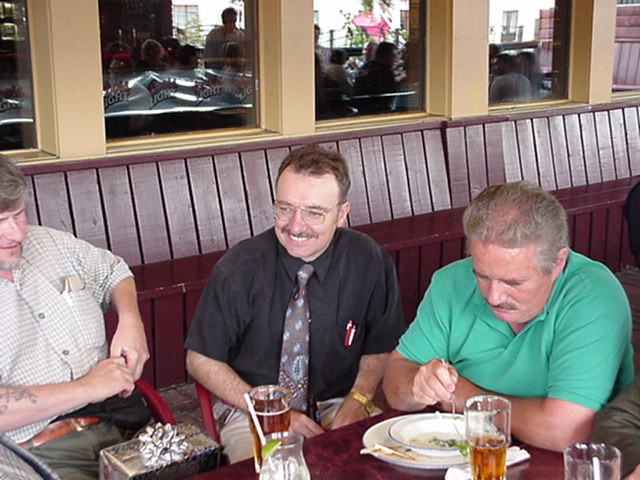
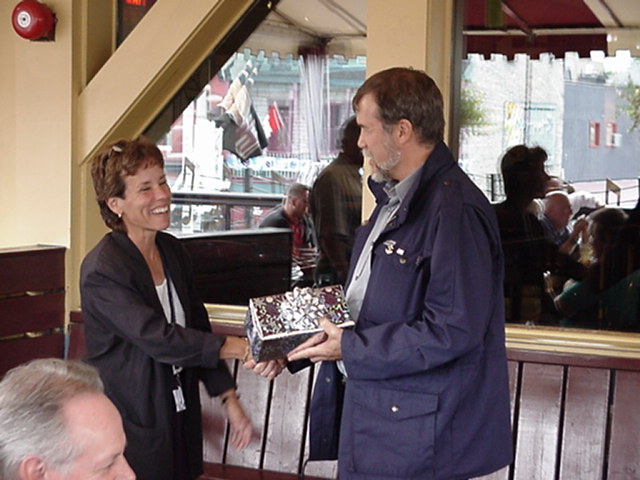
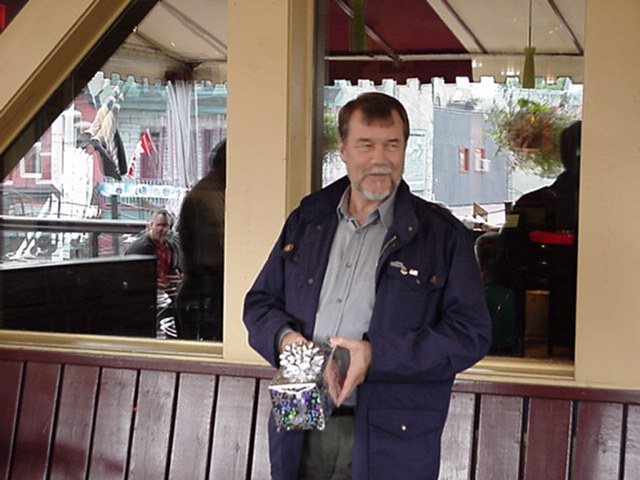
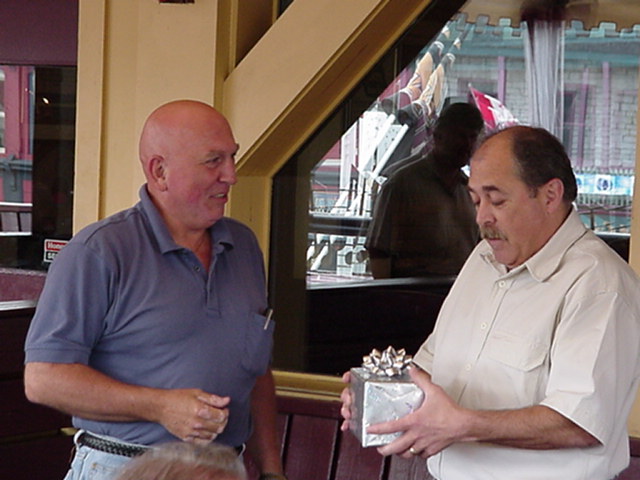
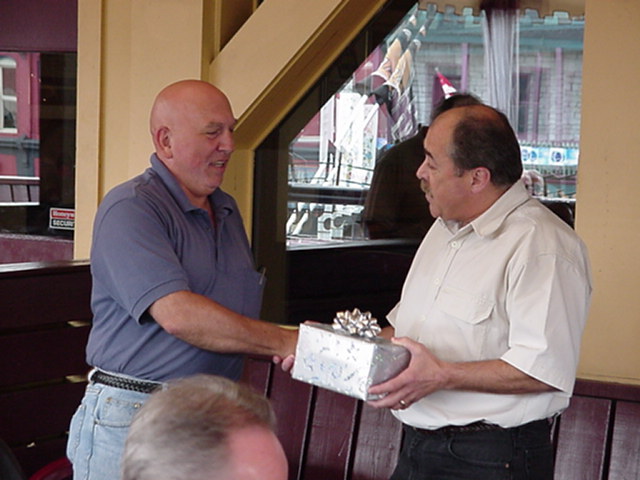
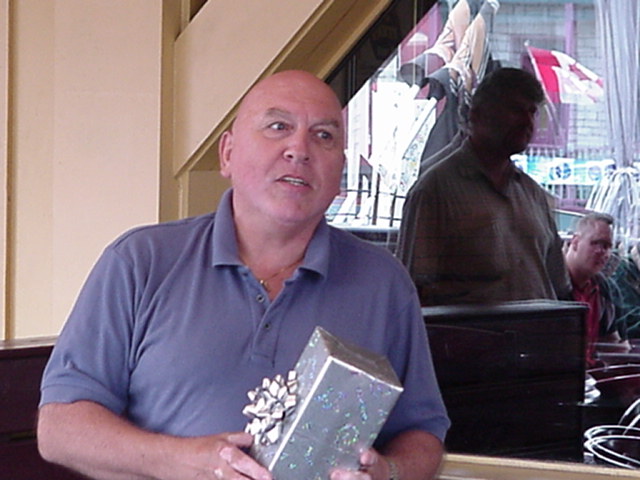
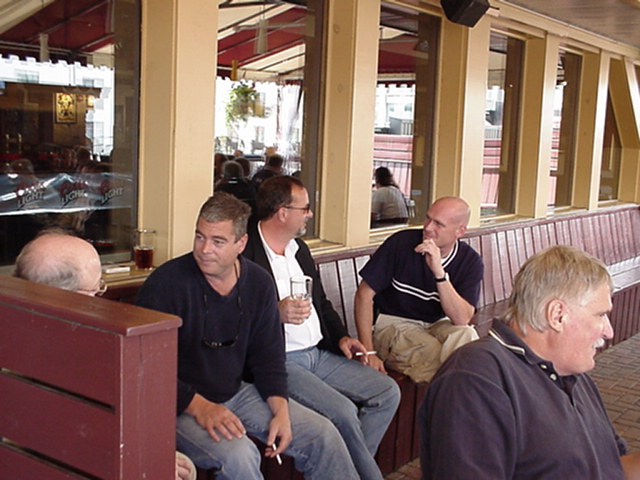
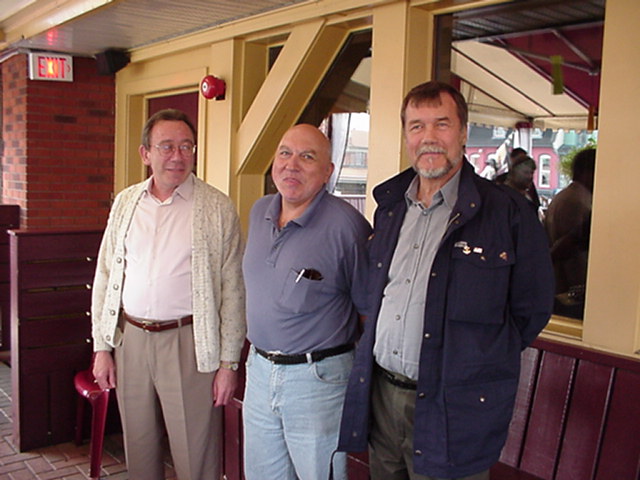 Rick, Howard and Matti Retire |
 |
 |
 |
 |
 |
 |
 |
 |
 |
 |
 |
 |
 |
 |
 |
 |
| Photos taken Friday, July 6, 2001 |
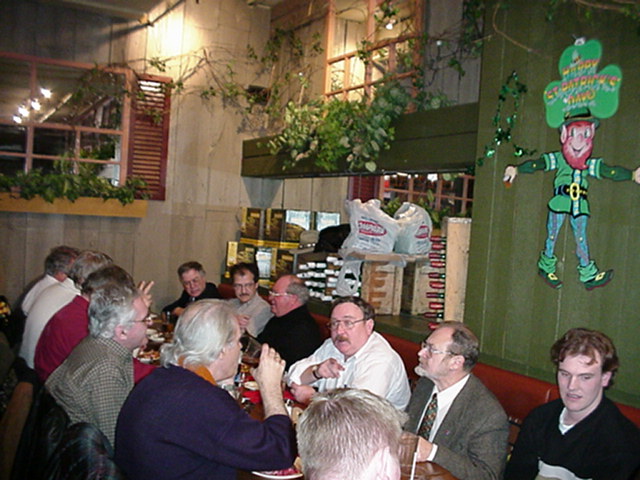
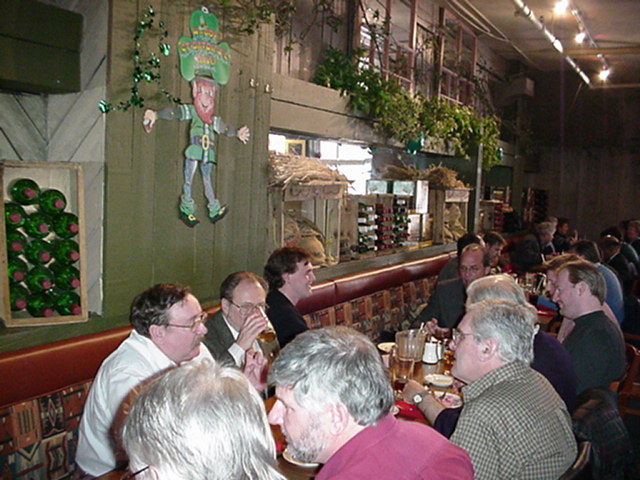
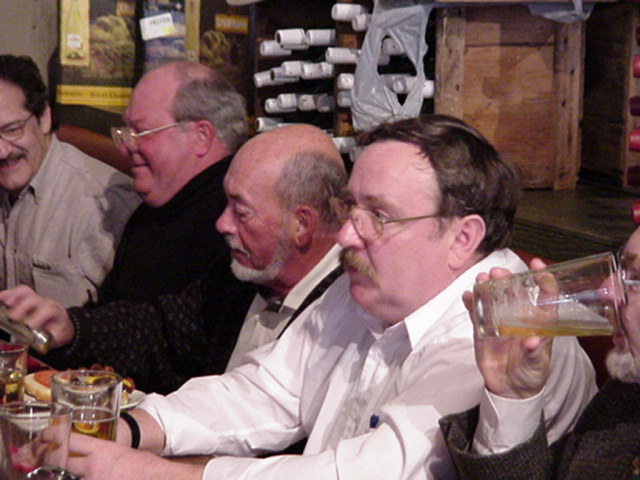
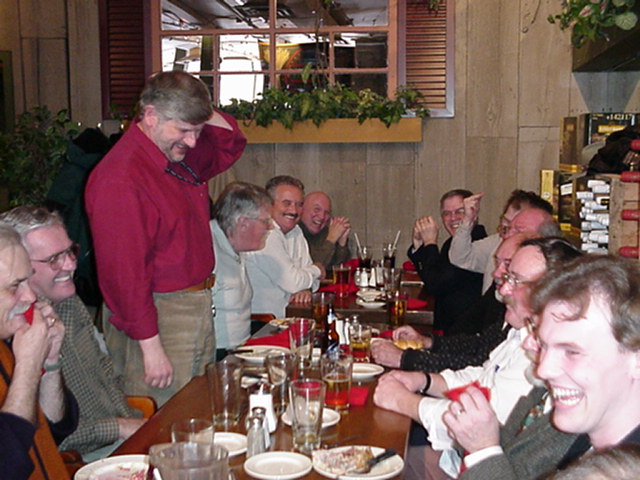
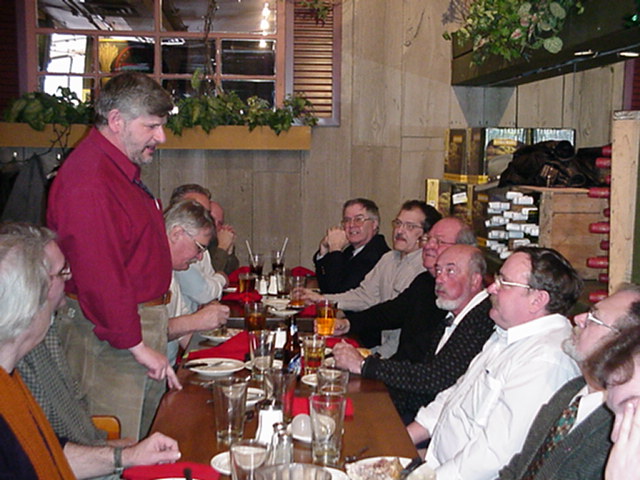
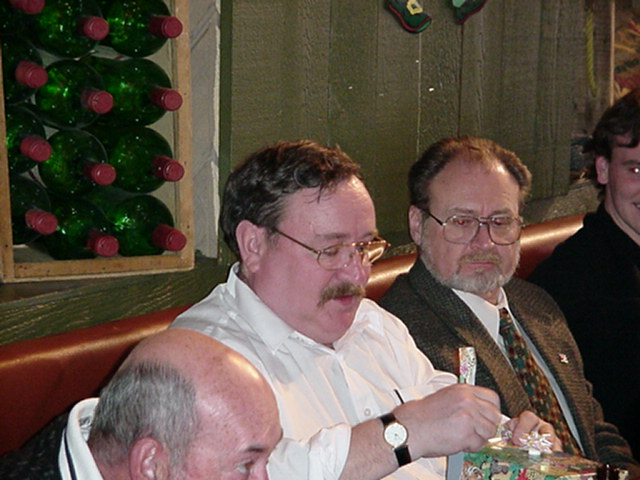
 Russ Sutton Retires after 35 (28 with the Department)! |
||
 |
 |
 |
 |
 |
 |
 |
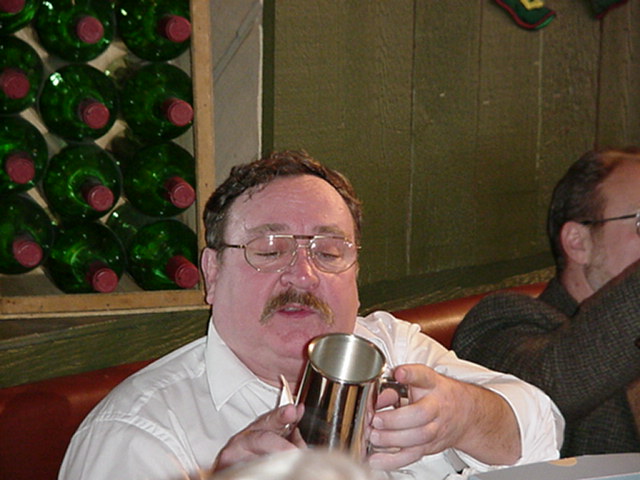 |
 Photos taken Friday March 16th, 2001 |
Thank you to everyone who voted. The Poll is now closed. Any objections or appeals please direct to the Supreme Court of Canada ;-)
|
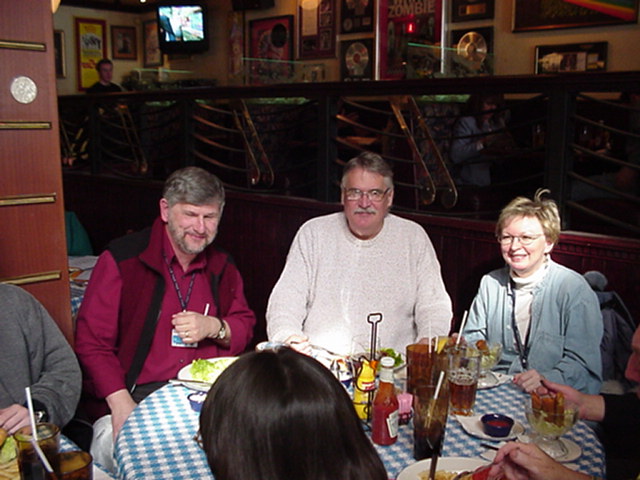
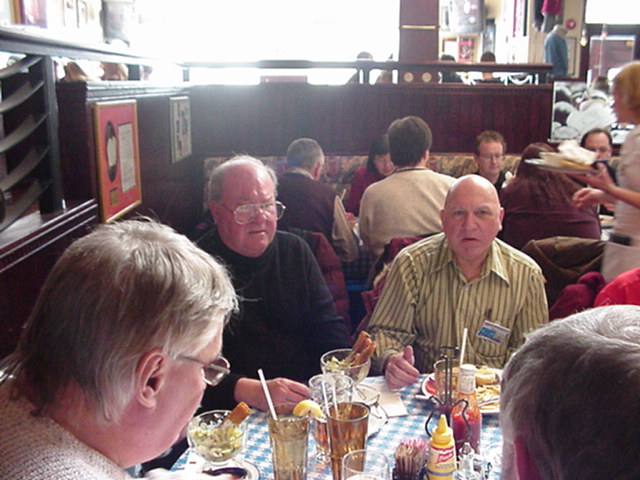
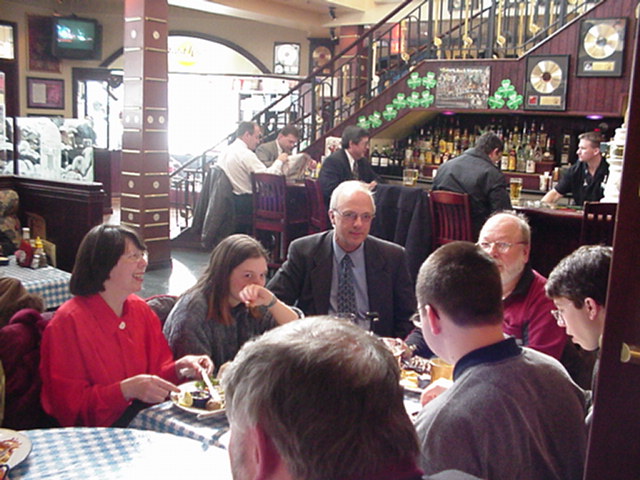
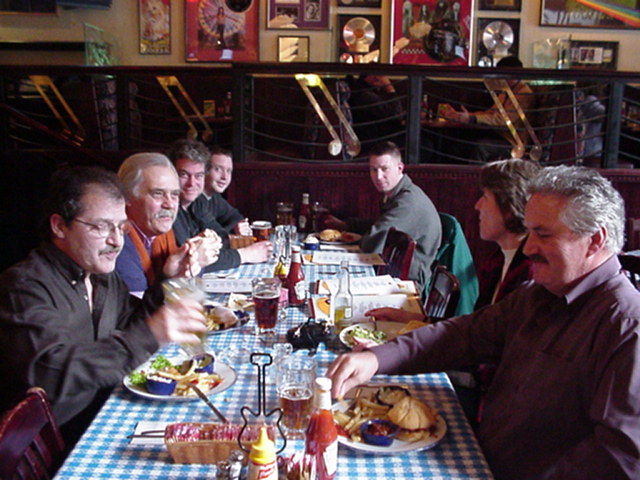
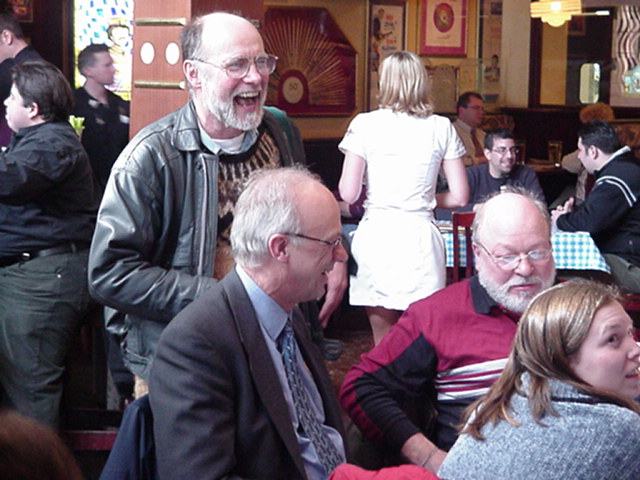
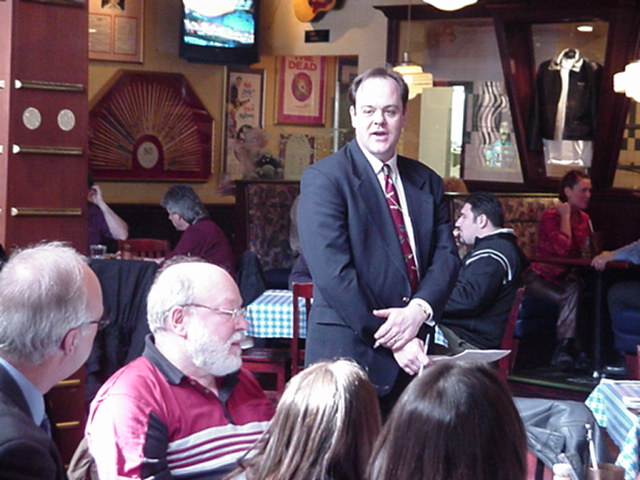
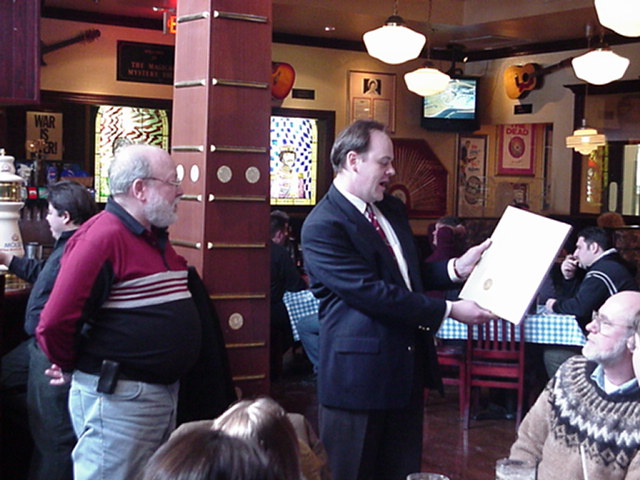
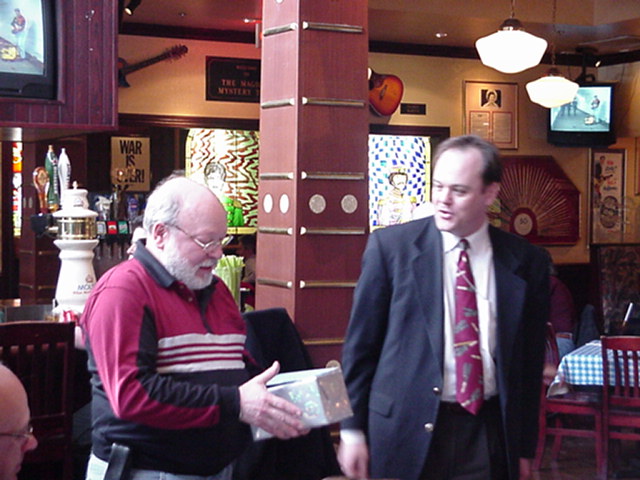
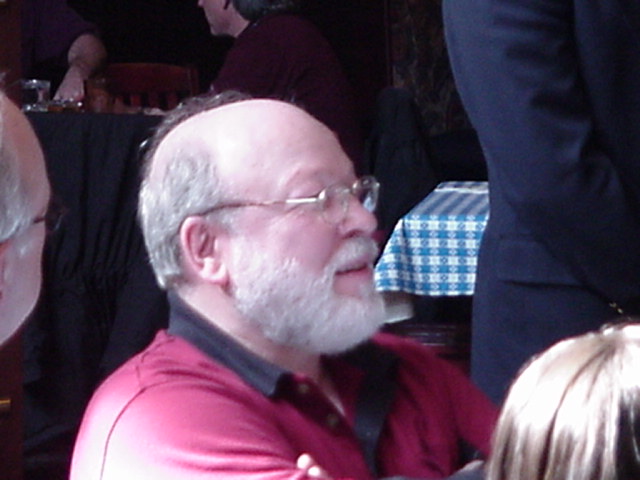 Roly Mailloux Retires after 40 (36 with the Department)! |
|
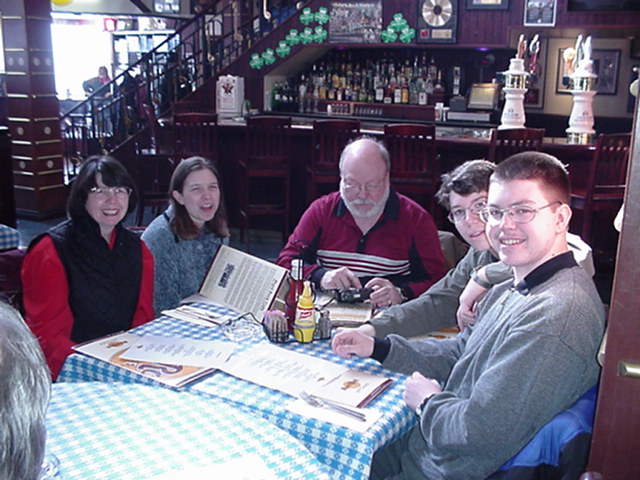 |
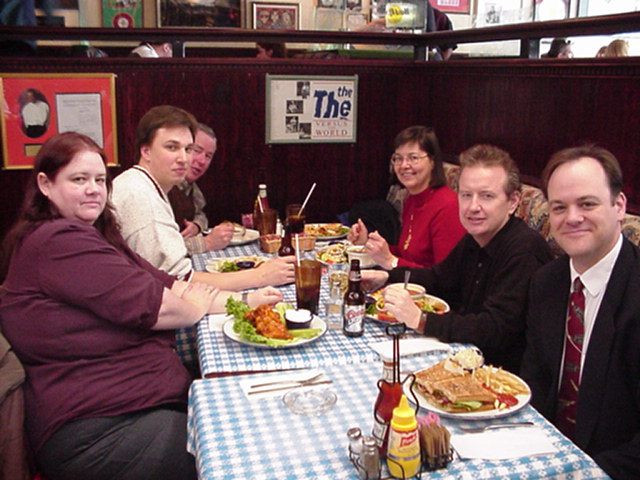 |
 |
 |
 |
 |
 |
 |
 |
 |
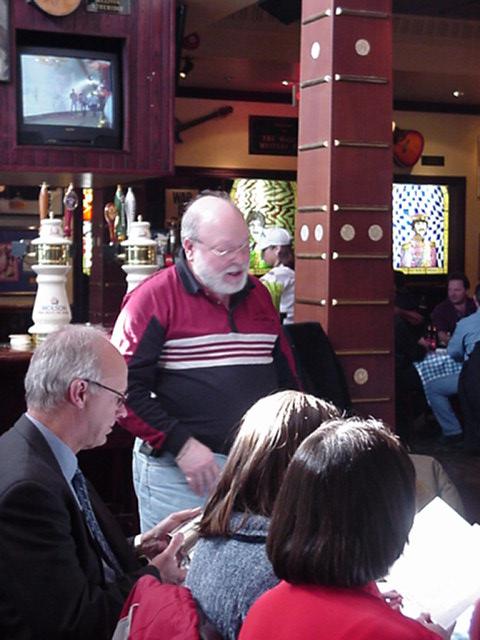 |
Photos taken Friday February 23rd, 2001 |
|
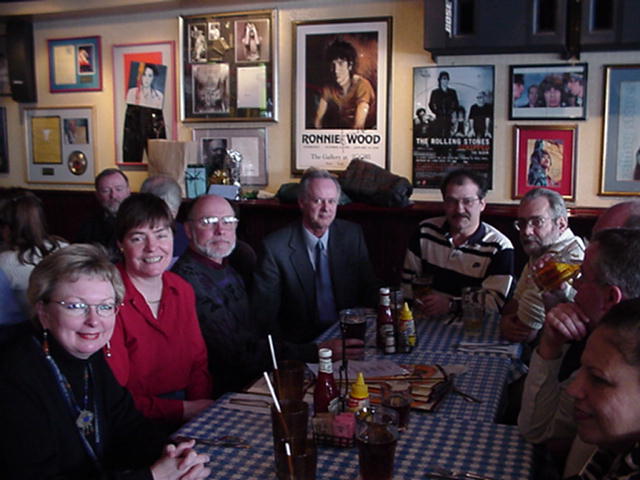
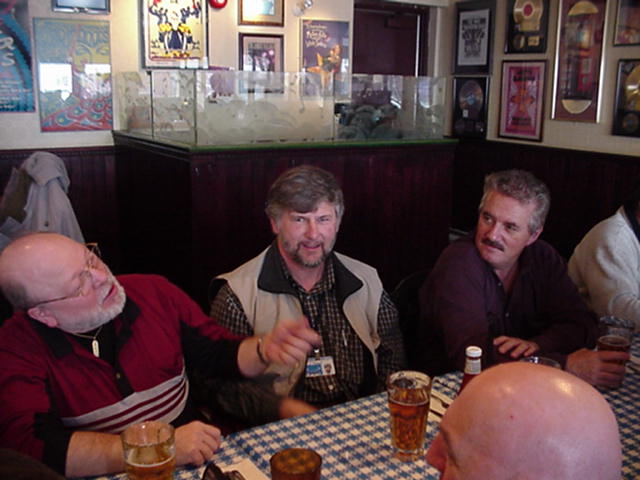
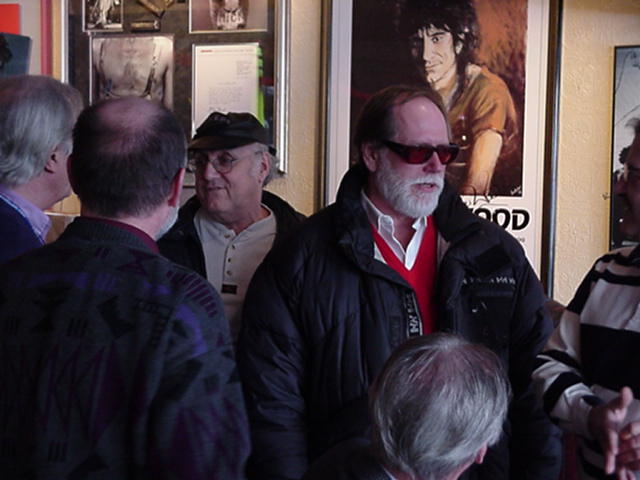
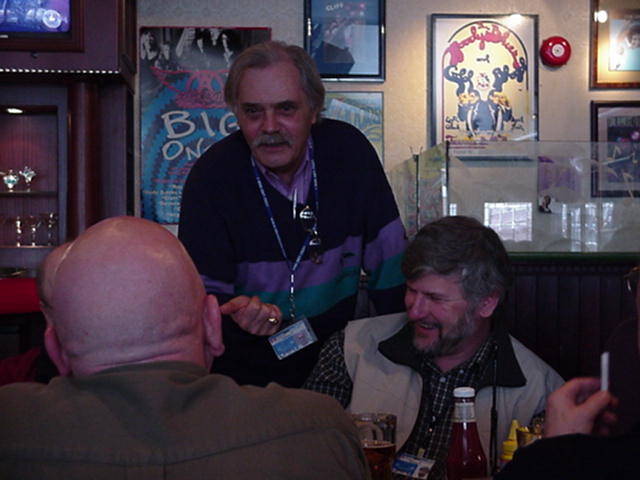
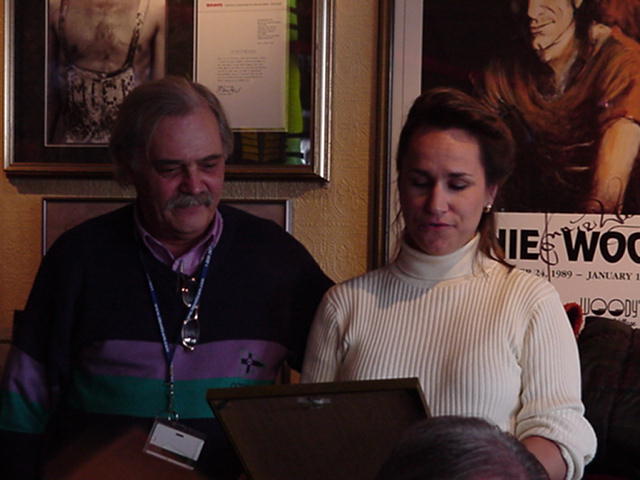
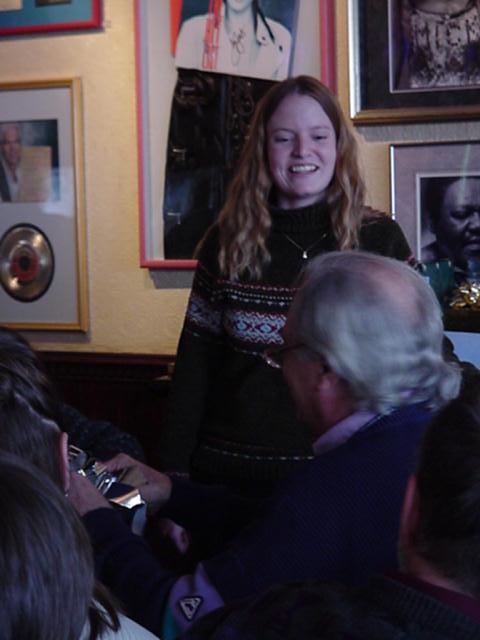
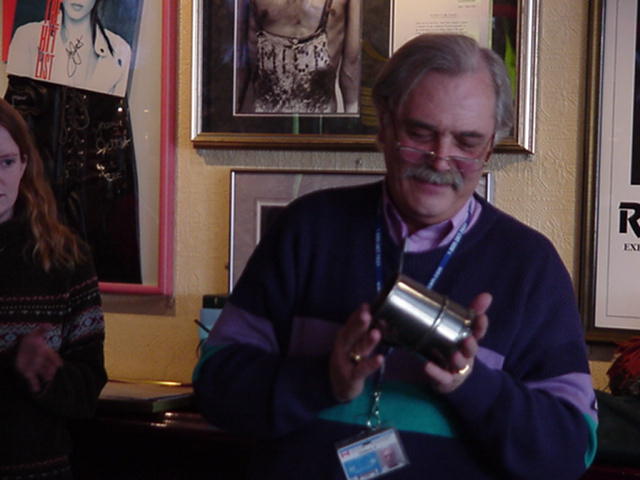
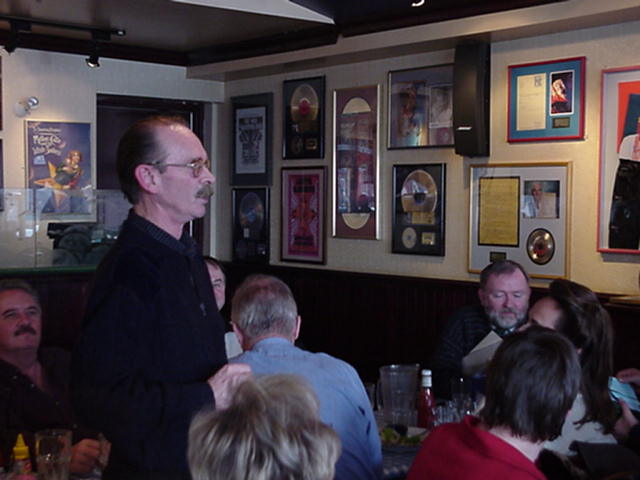
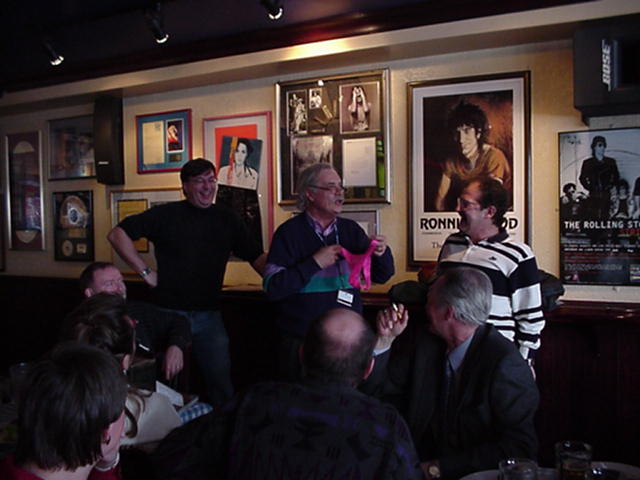
 Gene Gullason Retires after 35! |
|
 |
 |
 |
 |
 |
 |
 |
 |
 |
 |
Photos taken Friday January 26th, 2001 |

REUNION 2000 - OTTAWA
It's almost impossible to believe the Reunion is over. We didn't want the evening to end. It was amazing to see so many happy, smiling and excited Communicators gathered together in one place...this event was unique and historical and I'm proud and pleased that it went so well.
It is an event that meant so much to everyone who participated. Friday evening was a mass of people throwing their arms around each, shouting out each others names and pure delight in seeing each other again after so many years. Everyone was so excited, as one person told me, he felt younger and younger as the evening went on, and I'm sure that's what how everyone was feeling. It was incredible and fun.
And Saturday was just amazing, too. Special thanks to Rod who helped me with the letters from the Minister and Deputy-Minister; Dave for his stories and anecdotes that had us rolling on the floor; and Guy for his virtuoso performance. The hall was wonderfully decorated and the food was brilliant. How many more suprelatives can I use?
A big thank you to the rest of the organizing committee: Barrie, Eleanor, Roger, Roly, John whose dedication and support made this all possible; Bonnie, Mark and Betsy who were there for us at the beginning when the tough decisions had to be made; and Michelle, who joined us in the final stretch, and whose enthusiasm and creatively added so much to the success of the weekend.
Because the the amount of stuff that I am going to display I will be using the museum part of the web site for the photographs, scans and whats-its because of the space requirements. On this page there will be and index and links to the various bits and pieces, and it must be considered a work in progress for some time to come.
At the last x-CM gathering the night was planned as a business meeting to discuss setting up a retired and former Communicators' association. The idea originated towards the latter stages of planning the CM Reunion. A lot of work had been done to find contact information and we didn't want to throw away all this work and have to do it all again should another Reunion take place in the future.
As fortune would have it, the Ottawa weather turned miserable the night of the meeting and the turnout was low, but the stalwart few did manage to discuss a proposed Association. To put together a formal association would mean considerable effort and initial organzing, putting together by-laws, defining our purpose, soliticiting and collecting an annual fee (a minimal amount of $10/year is proposed), and ongoing work such as putting out a newletter and doing mailouts, maintaining a mailing list, liasing with other similar associations and planning activities.
Before everyone here is agreeable to set the organization in motion, we want to be assured that there is interest in the x-CM community to forming such an Association - there is no sense in doing all this work if no one is willing to join. The people meeting that night requested I put out our proposal to form an Association to the members of the COMWEB mailing list to measure potential interest. This is also being posted on the WEB pages here so that those not on the mailing list have the opportunity to voice their own opinion. If there is no interest on the part of individual x-CMs to join, then there would be no sense in pursuing this initiative.
Please e-mail me asap either with a simple YES or NO, YES you would like to see an x-CM association, NO I would not be interested in an x-CM association. Your response is greatly appreciated!
If you have x-CM contacts who are not on this mailing list, you are welcome to solicit their reaction to this proposal. Just send their response to me (telling me who it is from) with your own reply, and all the responses will be taken into consideration at our next meeting/gathering.
Deadline for replies is Monday, January 8th. A running tally will be displayed here for those that would like to see what kind of response we are getting. More exciting than Presidential re-counts, pregnant chads and Supreme Court challenges!!
REUNION 2000 - OTTAWA
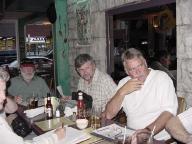
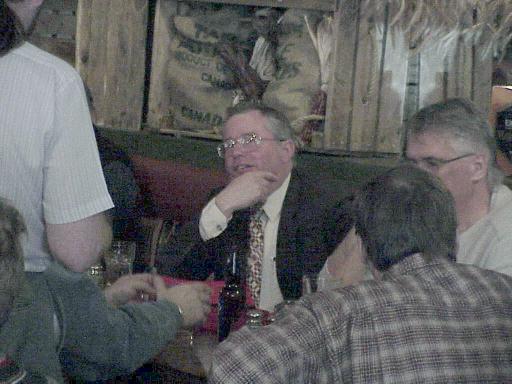
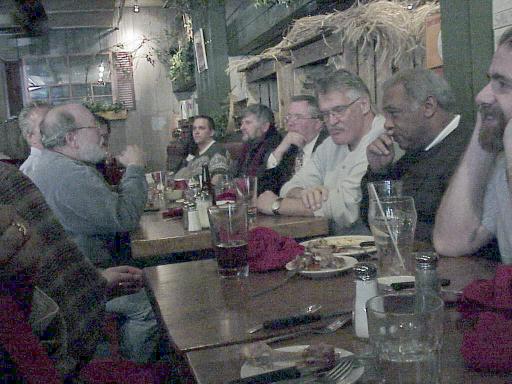
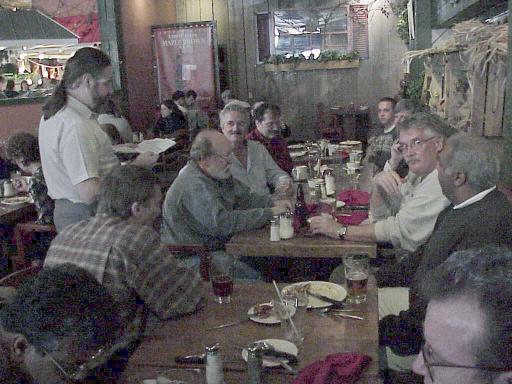
Friday evening reception at the Hellenic Banquet Centre, 1315 Prince of Wales Drive, Ottawa. Greeting desk for Registered Participants and opportunity to socialize with your old friends and colleagues. Time: 7:00 PM until 11:00 PM. Cash bar in the foyer. Greeting desk and some nibbles in the main room during the evening. No smoking in the main room, but smokers can indulge in the bar area.
Saturday Morning Golf Play to be at The Dome golf course. Information will be distributed Friday evening.
Saturday Evening Dinner & Dance at the Hellenic Banquet Centre, 1315 Prince of Wales Drive, Ottawa
6:30 PM Start of Evening, Greeting desk for Registered Participants who missed the Friday.
7:30 PM Buffet Dinner in the Main Hall
8:45 PM Presenation and Toasts
9:15 PM Entertainment
10:00 PM Dance
1:00 AM Bar closes and Reunion ends.
Cash bar in the foyer. No Smoking in the Main Hall.
Deadlines/Refunds: All deadlines have expired. No refunds can be issued.
 |
 |
 |
 |
 |
 |
 |
 |
 |
 |
 |
Date: 15 Mar 99 12:00:04 PSTThe following is from the Daily Telegraph
* * * * *
E-mail puts diplomatic relations on fast track
By Jon Hibbs, Political Correspondent
A RISING generation of Young Turks among Britain's diplomats is harnessing the power of e-mail to bring about a democratic revolution in the fusty corridors of the Foreign Office.
To the consternation of traditionalist mandarins, electronic messages are whizzing between Whitehall and British embassies around the world, telling diplomats how to spice up the service for the Millennium.
Ministers have hailed the unexpected benefits of new technology, which has speeded up internal channels of communication, broadened the development of policy, and produced a rash of new ideas for reforming the bureaucracy.
"We have suddenly jumped a century from the 19th to the 21st," said Derek Fatchett, the minister in charge of modernising the Foreign Office, in an interview with The Telegraph. "Instead of the old-fashioned telegrams, e-mail is enabling us to pass information more quickly and securely, reducing the amount of paperwork and making us all more efficient."
The transformation followed the decision last year by Robin Cook, the Foreign Secretary, to replace the historic Foreign Office telegraph network with £69 million worth of software.
Engineers will shortly complete the installation of 4,400 personal computers in the 250 British overseas posts, linking them all up to 1,200 domestic users on the Firecrest system.
A small band of high-flying young officials who had been asked to come up with ideas for modernising the Foreign Office seized on the development to set up an e-mail forum among staff. A report on their findings is being compiled, but one proposal that has already won favour is to bypass the traditional Whitehall paper trail and allow relatively junior ranks to make representations direct to ministers.
Under previous procedures, submissions were passed upwards through a rigid chain of command, gradually being filtered and refined until they reached the red box of the Foreign Secretary.
In this new culture of openness, however, relatively youthful officials can now put their arguments right to the top, effectively flattening the old career structure. "One of the criticisms of this place was that you got a hierarchy, and we did not always tap the full talents of young people," said Mr Fatchett.
The response to all the e-mail activity from many senior officers is that it's sad this did not happen 20 years ago."
Mr Fatchett said the home-grown experiment had improved morale and justified a decision not to bring in external management consultants, even if some were anxious about the consequences. "People are not at this stage feeling threatened, and if we try out these new ideas on an ad hoc basis they should have the great advantage of not deliberately alienating individuals," he said.
However Mr Fatchett disclosed that the changes had not been completely hitch-free, as when recently there was a massive computer failure in the embassy at Islamabad, the Pakistani capital. "The best brains of the Foreign Office were put in to tackle it and could not get the system to work. It turned out that rats had gnawed through the wiring," he said.
Following is from the Sunday Times, August 16th:
Foreign Office to pull plug
on telegrams...stopby Michael Prescott
Chief Political CorrespondentAFTER almost 150 years of carrying news of war, famine, plague and assassination, the Foreign Office telegram is about to be consigned to the wastepaper bin of history.
Robin Cook, the foreign secretary, has ordered an overhaul that will enable officials at Britain's 221 diplomatic posts to communicate with London and one another by secure e-mail rather than via the antiquated telegram system.
In all but the most urgent cases, the present system - only partly modified since it was installed in 1852 - requires ambassadors to join a 24-hour queue before their missives can be sent to the Foreign Office in King Charles Street, off Whitehall.
This means Cook is often asked to read confidential briefing notes more out of date than the foreign pages of London's morning newspapers. Things have, in essence, changed little since June 1914 when a telegram dictated by Consul Jones on the assassination of Archduke Ferdinand in Sarajevo took 3 1/2 hours to reach London.
The change has been brought about following the arms-to-Africa affair, which prompted allegations of Foreign Office involvement in sanctions-busting and arms-running to Sierra Leone. Ministers and officials were exonerated, but their communications network was criticised.
As a result, Cook has pledged to do away with the telegram by 2000. In its place will come an e-mail system of the type already used by the United States. Each diplomat and official will have access to a PC, communication will be instantaneous and ambassadors will be able to send briefing material direct to each other. The change will also save money by doing away with "Comcen", the 24-hour communication centre in the bowels of the Foreign Office, where dozens of people read telegrams as they arrive on screens connected to the telegram equipment. The Foreign Office received 2.3m telegrams last year.
Messages are forwarded by Comcen to their intended recipients, either inside the Foreign Office or at British embassies and consulates around the world. Within the Foreign Office, the telegrams are circulated either on-screen or by printing out material and having it taken to the minister or official concerned.
Updating the system will be a relief for ambassadors. At present each embassy has one short period of time every day when it can dispatch its messages to London, although it can jump the queue to send urgent material.
"I hope with the changes I propose, to be ahead of the foreign editors, not behind them," Cook said yesterday.
He conceded, however, that doing away with the telegram and replacing it with what will be known as the "e-gram" means the beginning of a less romantic age. The Foreign Office archive is full of telegrams that amount to reports from the front line of history.
Taken together, they tell the story of this century, replete with messages such as that sent from Britain's consul in Sarajevo to Sir Edward Grey, then foreign secretary, in the summer of 1914.
"According to news received here," it says, "heir apparent and his consort assassinated this morning by means of an explosive nature."
The telegram reporting the assassination of Archduke Ferdinand and heralding the outbreak of the first world war was sent at 12.30pm and arrived in London at 4pm.
Dispatches from Nazi Germany in the 1930s paint a picture of growing anti-semitism and aggression. Shortly after the second world war, Winston Churchill made his 1946 speech accusing Russia of imposing an "iron curtain" between its satellites and the rest of Europe. Stalin compared the speech to one of Hitler's, notes the March 1946 telegram from our man in Moscow, adding that the comparison is "so far-fetched and puerile it can hardly earn a respectful hearing from any but the most convinced fellow-travellers".
Among the shortest and most touching of the archive telegrams is that sent to Jackie Kennedy in Washington by Harold Macmillan. Her husband, Macmillan's friend, had just been shot dead.
"We are numbed by the shock of Jack's death," it says. "Nothing we say can console you. All we can do is to send you our best love. Signed Harold and Dorothy Macmillan."
 REUNION 98
A temporary problem exists with the e-mail addresses at CFSE on the WEB page for Reunion 98. Everything for the reunion is still go, and if you are interested in registering or require more information, please e-mail E. Acker and he can assist you in contacting the organizers!
 Hotels
and Tourism KingstonBed
& Breakfast Kingston
Hotels
and Tourism KingstonBed
& Breakfast KingstonFrom the International Herald Tribune May 7th:
Strike puts a gag on French diplomacy...
Paris-French diplomacy was tongue-tied Tuesday with its encoders, responsible for sending sensitive information between embassies and government ministries, on strike. "Communication has been slowed down," said Jacques Rummelhardt, the Foreign Affairs spokesman. But he added that there was "no threat to communications security." The encoders, who went on strike Monday for three days, are protesting the changing status of their work brought about by the increasing use of sophisticated electronic communications. "The work used to be as you imagine it to be in a John Le Carre novel," Mr. Rummelhardt said. "These days there are computers and the Internet." There are 270 encoders involved in the strike in France and in French embassies around the world. The strike was blocking telegrams between Paris and its embassies, according to a group of strikers outside the Foreign Ministry.
 Back
to the AFFSC Home Page
Back
to the AFFSC Home Page
Disclaimer: The opinions and views expressed in this document are those of the participants in the CS-CM Network alone. If you use any of the information in this document, it is at your own risk, we will not accept any responsibility for any damage or loss.